Thankful Classrooms: Creative Gratitude Activities for Students
As the crisp air rolls in and the fall colors brighten our days, November reminds us to pause and appreciate all that we’re thankful for — especially the little moments that make teaching so special.
In the classroom, gratitude isn’t just a seasonal theme; it’s a mindset that helps students see goodness in everyday experiences. Teaching gratitude can nurture empathy, positivity, and community — all essential ingredients for a thriving learning environment.
Whether you teach in a traditional classroom or a homeschool space, now’s the perfect time to sprinkle a little thankfulness into your lessons. Here are some simple, creative, and meaningful ways to make gratitude part of your students’ learning this month — and beyond.
1. Gratitude Walls: A Visual Celebration of Thanks
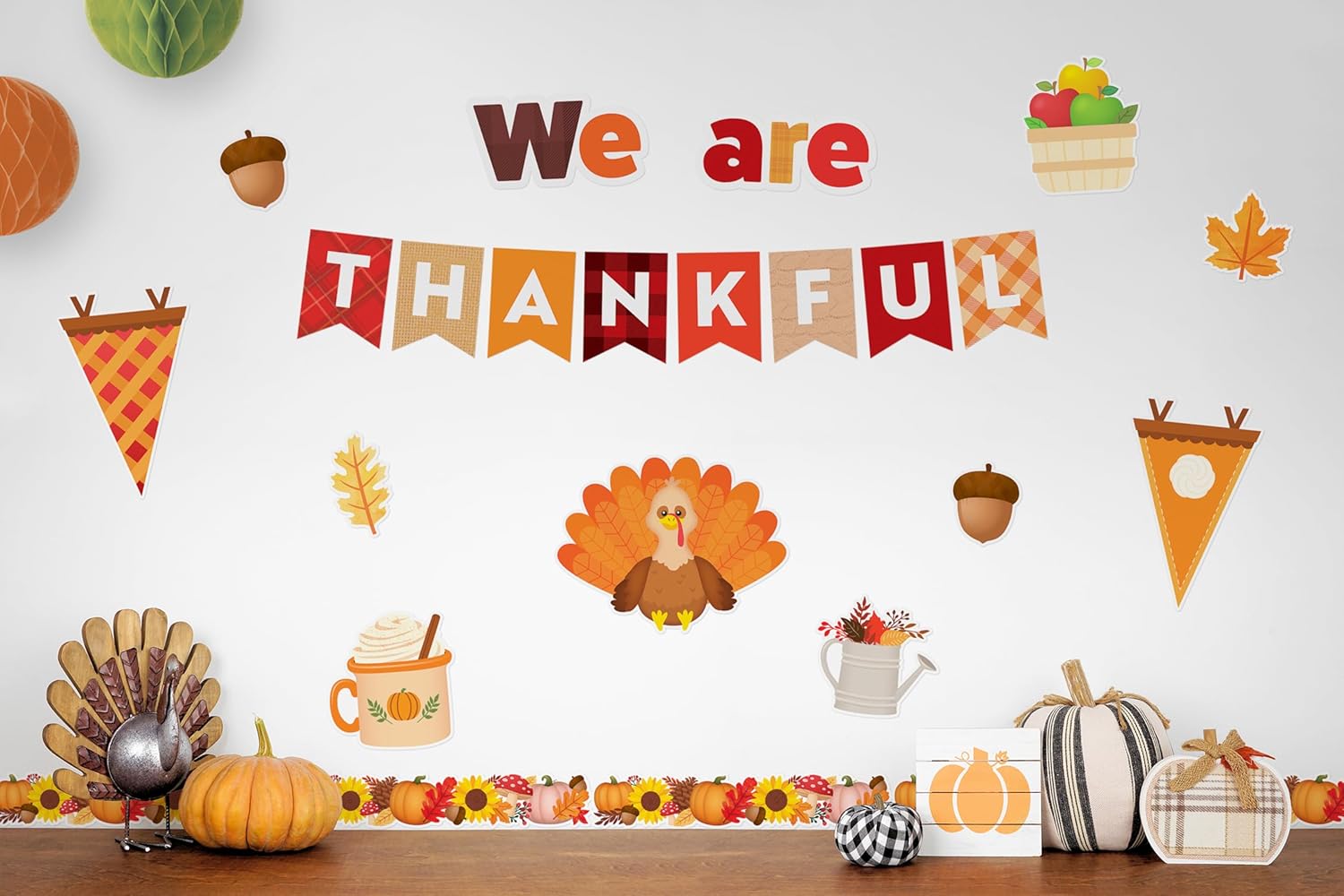
Imagine walking into a classroom filled with color, warmth, and messages of appreciation — that’s what a Gratitude Wall can do! It’s a simple, yet powerful way to turn thankfulness into a visible, ongoing activity for your students.
How to Create a Gratitude Wall
Start with a blank bulletin board or open wall space. Use butcher paper, corkboard, or a magnetic surface as your base. Then, add a headline like “We Are Thankful For…” or “Gratitude Grows Here.”
Give each student a place to post what they’re grateful for — daily, weekly, or even at random moments. Use leaf-shaped cutouts, sticky notes, or small index cards for students to write on. Encourage variety: they can express gratitude for people, experiences, or even simple joys like “my favorite book” or “the smell of crayons.”
To make it visually stunning, frame your wall with Colorful Stripes Magnetic Borders and scatter Positive Sayings Accents throughout to remind students that kindness and appreciation go hand in hand.
Variations to Try
“Gratitude Gallery” – Include photos or drawings of things students are thankful for.
“Notes of Kindness” – Allow students to write thank-you notes to peers or teachers and pin them to the board.
“Gratitude Challenge” – Choose a theme each week (family, nature, learning) and have students write within that focus.
This display doesn’t just fill your room with positivity — it builds community. Over time, students begin to notice how gratitude connects them to one another, strengthening classroom relationships.
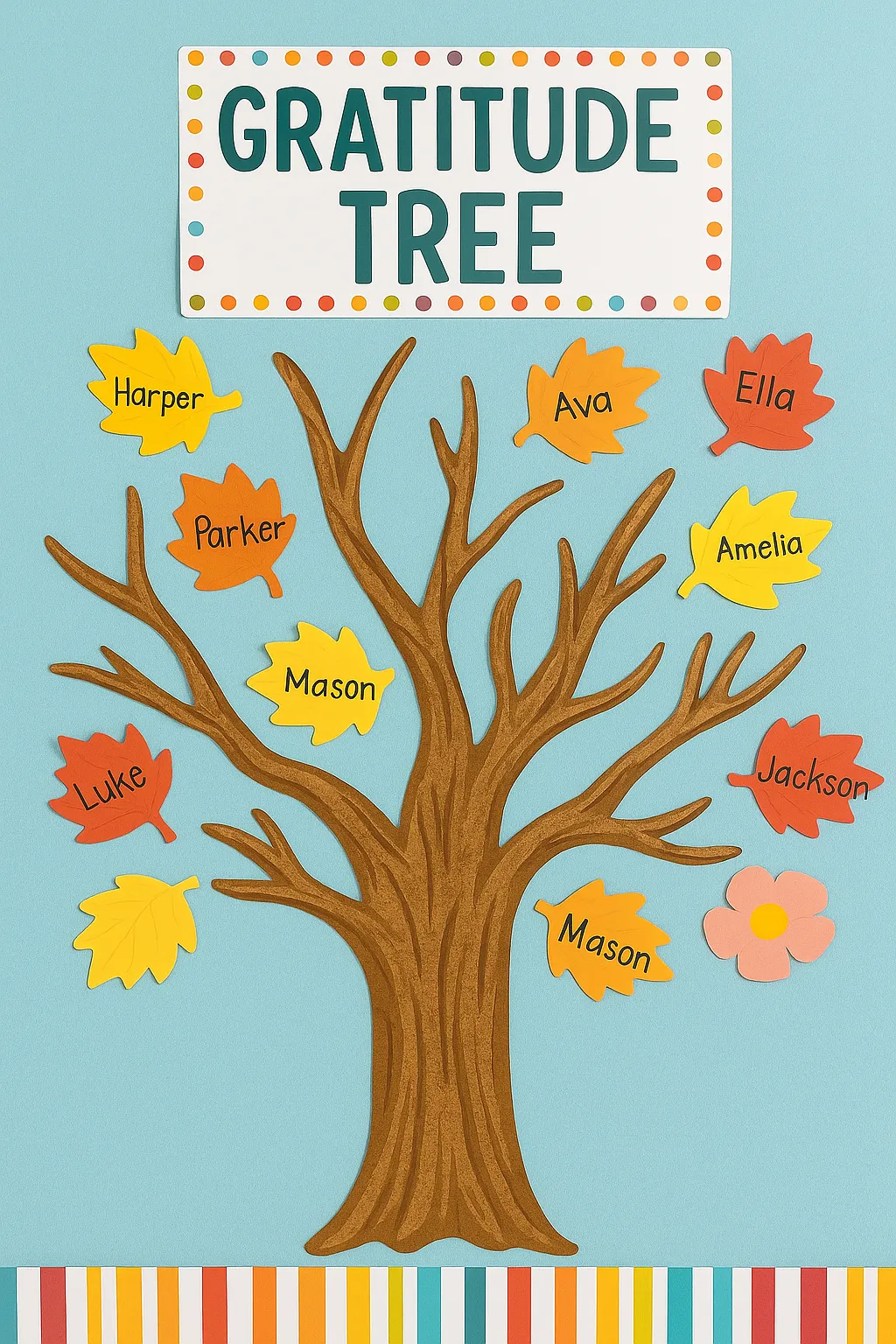
2. Thankful Trees: Growing Kindness One Leaf at a Time
The Thankful Tree is a fall classic for a reason — it’s simple, interactive, and endlessly adaptable for any grade level. It’s also a wonderful way to blend art, reflection, and collaboration into one meaningful activity.
How to Make Your Thankful Tree
Create your tree using construction paper or kraft paper. Draw or cut out a large trunk and attach it to your wall or bulletin board. Then, cut out leaves from colorful paper in warm autumn shades — orange, red, yellow, and brown.
Each day or week, invite students to write something they’re thankful for on a leaf and add it to the tree. Watch your display “grow” as the month progresses!
If you’re short on space, consider a tabletop version using a small branch placed in a vase or pot filled with pebbles. Students can attach their leaves with clothespins or string.
Teacher’s Touch Tip: Pair your display with Pastel Pop Paper Flowers or mini fall-themed accents for extra texture and color. The combination of soft pastels and autumn hues creates a beautiful blend of calm and warmth.
Creative Extensions
“Leaves of Learning” – Have students write something new they learned each week.
“Acts of Kindness Tree” – Encourage students to note when they see someone doing something kind and add a leaf for each good deed.
“Gratitude Goals” – Invite students to write ways they can show gratitude, not just feel it — like helping a friend or thanking the school custodian.
By the end of the month, your tree will be full and vibrant — a living testament to the gratitude that has taken root in your classroom.
3. Reflective Writing: Gratitude Beyond the Wall
For older students or those who love journaling, reflective writing is an excellent way to encourage deeper thinking about gratitude. Writing gives students space to process feelings, recognize growth, and connect learning with life experiences.
Getting Started with Gratitude Writing
Dedicate a few minutes each day or week to gratitude journaling. Provide prompts to spark ideas:
“I’m thankful for someone who helps me learn because…”
“One small thing that made me smile this week was…”
“I’m proud of how I’ve grown in…”
“A challenge I faced recently — and what I learned from it.”
Encourage honesty and self-expression rather than perfect grammar or long paragraphs. Gratitude writing can be short, simple, and still meaningful.
To add a creative twist, let students design Gratitude Pages with drawings, collage art, or photos. You can even compile them into a class “Gratitude Journal” to share at the end of the month.
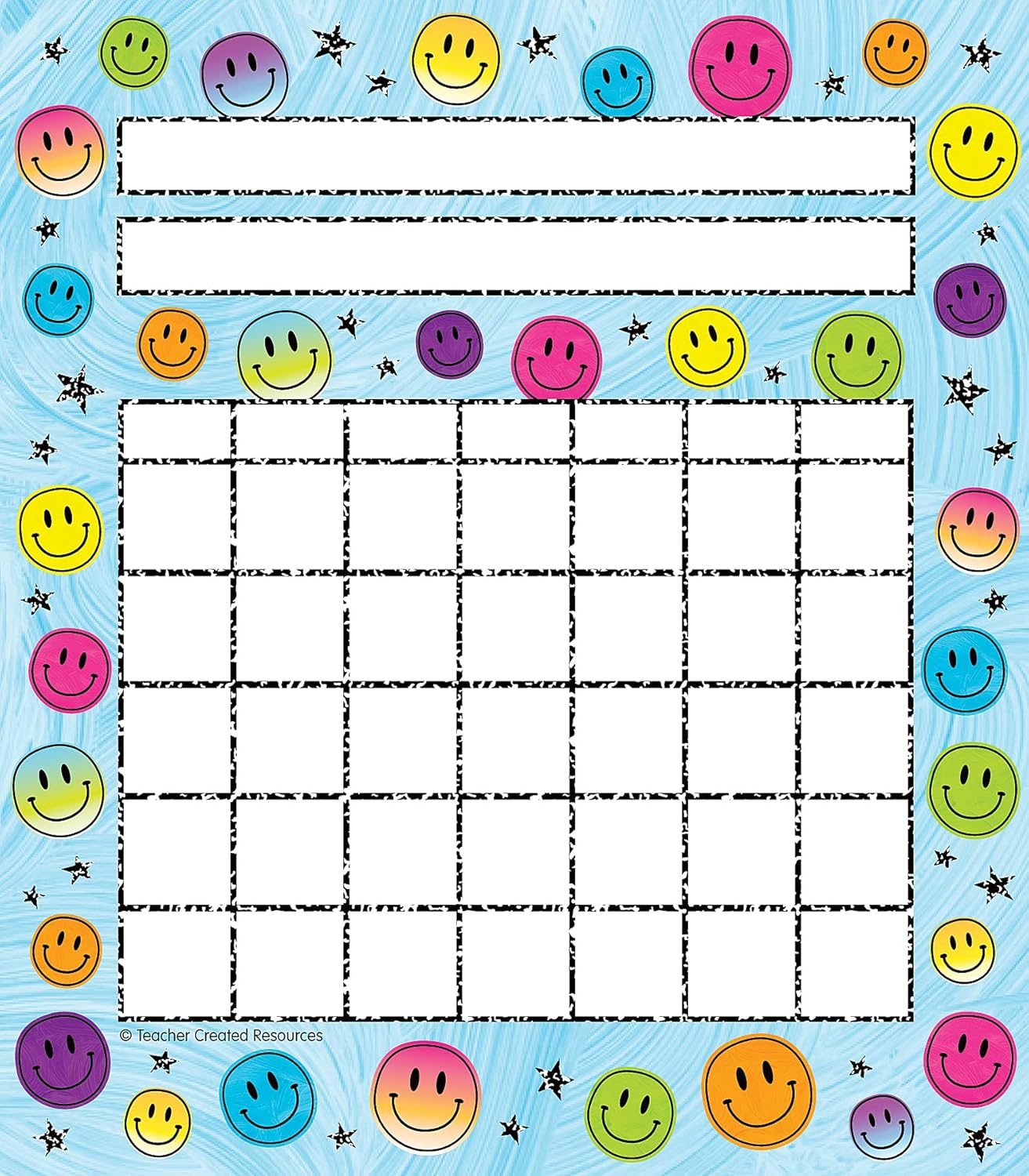
Teacher’s Touch Tip: Reward consistency with Brights 4Ever Incentive Charts! Track participation in journaling or kindness activities — a fun and colorful way to celebrate effort and reflection.
Cross-Curricular Ideas
Language Arts: Have students write thank-you letters to authors of books they love.
Art: Create gratitude posters or “Word Art” featuring thankful words.
Social Studies: Discuss cultural traditions of giving thanks around the world.
Reflective writing not only builds literacy skills — it nurtures mindfulness. It teaches students to look inward, appreciate the present, and express emotions constructively.
4. Extending Gratitude Beyond the Classroom
The spirit of gratitude doesn’t have to end when the school bell rings. Encouraging students to carry thankfulness into their homes and communities helps them see how powerful simple kindness can be.
Ways to Extend Gratitude
Thank-You Notes: Have students write notes to school staff, parents, or local helpers (bus drivers, cafeteria workers, librarians).
Community Gratitude Chain: Partner with another class or grade level — each group contributes to a growing paper chain of thankful thoughts displayed in a hallway.
Family Gratitude Project: Send home a small “Thankful Tree” kit or printable so families can create their own at home.
Teacher’s Touch Tip: Display these notes or photos of these projects in your classroom window. It’s a beautiful way to showcase community connection during the Thanksgiving season.
Teaching gratitude beyond the classroom helps students recognize that appreciation isn’t just an idea — it’s an action that can brighten someone’s day.
5. Creating a Culture of Gratitude All Year Long
While Thanksgiving provides the perfect backdrop, gratitude doesn’t have to be limited to one season. Making it part of your classroom culture keeps positivity growing long after the leaves fall.
Here’s how you can weave gratitude into everyday learning:
Morning Meetings: Begin each day with one thing students are thankful for.
Weekly Reflection Fridays: End the week by revisiting gratitude moments.
Compliment Cards: Provide slips for students to write kind notes to peers.
Classroom Jobs of Appreciation: Rotate a “Thankful Helper” who gives a daily shout-out to classmates.
When gratitude becomes routine, it transforms classroom energy. Students learn to value one another’s efforts and see challenges with a more optimistic mindset.
6. The Power of Gratitude in Learning
Gratitude does more than create warm feelings — it strengthens emotional intelligence and resilience. Studies show that students who practice gratitude often demonstrate:
Higher levels of optimism
Stronger relationships with peers
Better focus and motivation
Improved classroom behavior
As educators, modeling gratitude — through language, classroom routines, and simple daily acknowledgments — sets the tone for empathy and respect.
When students witness their teacher expressing appreciation (“Thank you for helping a friend,” or “I’m so proud of your teamwork today”), they learn that kindness and recognition matter.
Gratitude, when practiced consistently, creates classrooms that feel safe, welcoming, and connected — true communities of learning.
7. Supplies to Bring Gratitude to Life
Creating a gratitude-filled classroom is easier when your space inspires calm, creativity, and connection. Here are a few Teacher’s Touch favorites that make every activity shine:
Fall Bulletin Board Kits – Ready-to-use sets for your seasonal displays, complete with borders and accents.
Pastel Pop Paper Flowers – Add warmth and beauty to your gratitude wall or thankful tree.
Modern Farmhouse Positive Sayings Accents – Perfect for messages like “Choose Kindness” and “Be Grateful Every Day.”
Brights 4Ever Incentive Charts – Motivate and celebrate progress with colorful flair.
Decorative Storage Bins – Keep materials tidy as you organize gratitude projects and reflection journals.
Each piece helps transform your classroom into a space that celebrates positivity and growth — just as gratitude itself does.

Conclusion: Gratitude Grows Where It’s Taught
In the end, gratitude is more than a classroom theme — it’s a habit of the heart. By creating spaces for students to reflect, share, and celebrate, we help them see the beauty in learning, friendship, and everyday life.
As your classroom fills with thankful leaves, kind notes, and heartfelt reflections this season, take a moment to soak it all in. Every message, every word of thanks, and every student smile is a reminder of why teaching matters.
Let this November be a time of reflection, joy, and appreciation — for your students, your classroom, and the impact you make every single day.
Stop by Teacher’s Touch — where learning meets heart.
We’re right here in Myrtle Beach, ready to help you create warm, inspired spaces filled with gratitude, creativity, and connection.

