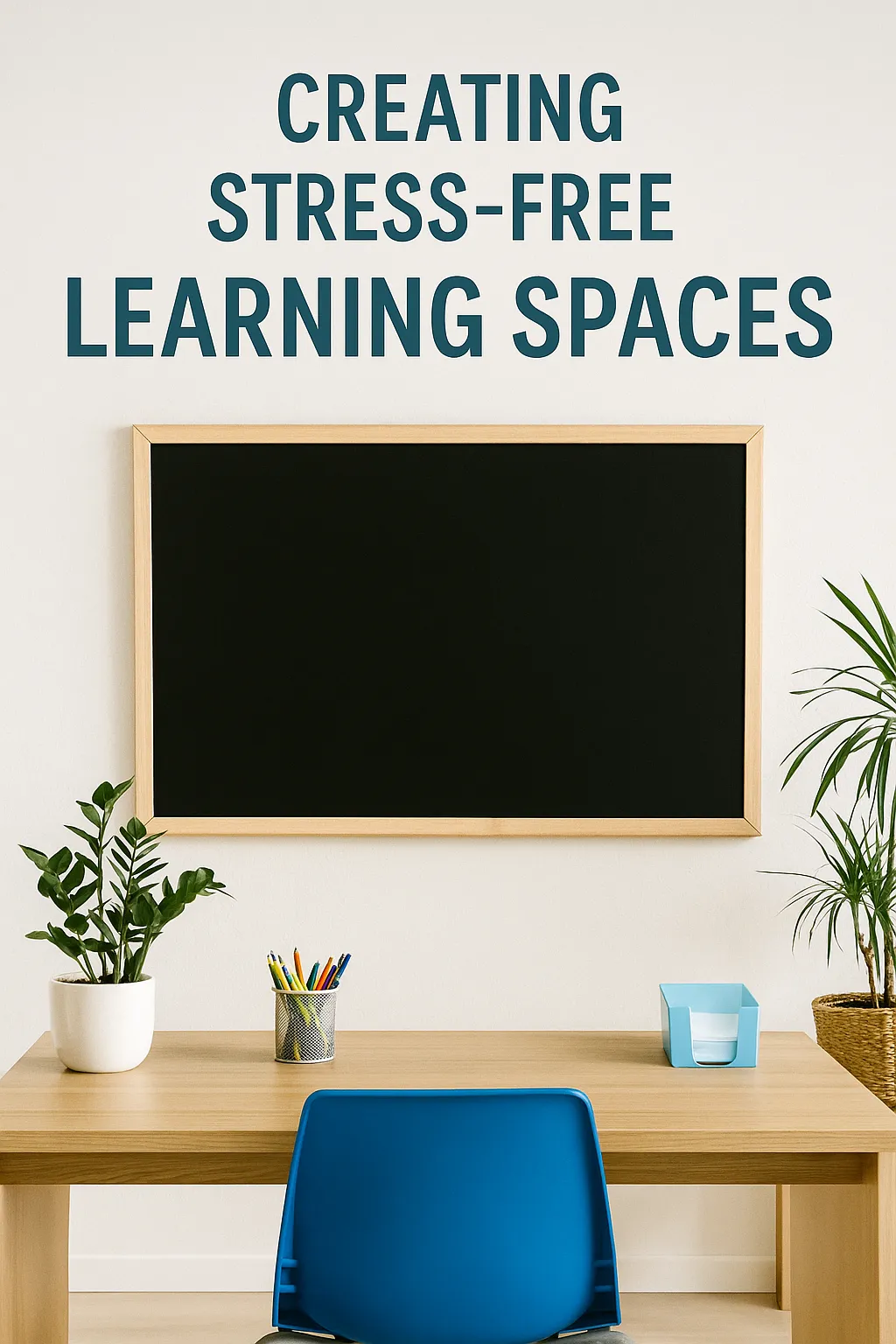
From Clutter to Calm: Creating Stress-Free Learning Spaces
Every teacher knows the feeling: stacks of papers, half-used markers scattered on tables, bins overflowing with supplies, bulletin boards packed with mismatched posters. Clutter creeps in quickly — and before you know it, your classroom feels more chaotic than calm.
Here’s the problem: clutter doesn’t just make a room look messy. It impacts focus, energy, and even wellness. A disorganized classroom distracts students and stresses teachers. On the other hand, a thoughtfully arranged and organized space can transform the way everyone feels and learns.
The good news? You don’t have to do a massive overhaul overnight. With small, smart swaps, you can turn your learning environment — whether it’s a classroom or a homeschool corner — from cluttered to calm. Let’s explore how décor, organization, and daily habits can make your space stress-free and joyful.
1. Why Clutter Impacts Learning and Wellness
Clutter is more than an aesthetic issue — it’s psychological. Research shows that messy environments increase stress hormones, reduce focus, and make it harder to process information.
For students, this means more distractions and less engagement. For teachers, it means more mental load and less patience.
The benefits of calm, clutter-free spaces include:
Improved concentration and productivity.
Reduced stress and decision fatigue.
More time spent teaching and less time searching for lost supplies.
A welcoming, peaceful atmosphere that inspires creativity.
Teacher’s Touch Tip: Think of your classroom as both a learning lab and a wellness space. The environment matters just as much as the lesson plan.
2. Start Small: Tackling One Area at a Time
Looking around at an entire cluttered classroom can feel overwhelming. That’s why the first step is to start small.
Where to Begin:
Pick one corner, shelf, or drawer.
Set a timer for 15 minutes and declutter just that space.
Celebrate small wins — they build momentum for bigger projects.
Hack: Try the “10-minute tidy.” At the end of each day, spend 10 minutes clearing one surface or bin. Over time, these mini sessions add up to a clutter-free classroom without burnout.
3. Smart Storage Solutions That Work
Storage is the foundation of clutter control. The right systems turn chaos into order.
Practical Storage Solutions:
Bins and baskets: Use sturdy plastic bins for supplies. Assign each bin a category: “Math Tools,” “Art Supplies,” “Reading Center.”
Labels: Magnetic labels or adhesive tags make it clear where everything belongs. Even young students can help clean up when bins are labeled with both words and pictures.
Color coding: Assign each subject or group a color. For example, red bins for math, blue for reading, green for science. It saves time and brain power.
Vertical storage: Use wall-mounted racks or pegboards for clipboards, scissors, or headphones. This frees up table space.
Rolling carts: Perfect for stations or small spaces, they keep supplies mobile and organized.
Teacher’s Touch Hack: Repurpose bulletin board rolls as bin liners to add a splash of seasonal color inside your storage. It’s functional and festive.
4. Declutter Your Décor (Without Losing Personality)
A classroom should be inspiring, but too much décor creates visual clutter that overwhelms students. The key is balance.
Tips for Décor That Calms Instead of Clutters:
Stick to a theme: Choose a seasonal or yearly theme and coordinate borders, posters, and accents. A cohesive look feels intentional instead of chaotic.
Less is more: Avoid filling every wall. Leave blank or neutral spaces to let the eye rest.
Seasonal swaps: Refresh one or two bulletin boards each season rather than decorating everything at once.
Use kits: Bulletin board kits simplify decisions and keep décor consistent.
Hack: Before adding a new poster, ask yourself: Does this serve a purpose (teaching or motivation), or is it just adding noise?
5. Create Flow and Function
Organization isn’t just about supplies — it’s also about how the room flows. Poor traffic flow leads to constant disruptions, while thoughtful layouts reduce stress.
How to Create Functional Flow:
Desk placement: Position desks to minimize bottlenecks. Make sure students can move easily to centers or supplies.
Clear pathways: Leave space between tables, shelves, and stations so transitions are smoother.
Supply stations: Centralize frequently used items (pencils, paper, markers) so students can help themselves.
Quiet zones: Designate a calm-down corner with soft seating or calming visuals. It supports students and lowers teacher stress.
Hack: Use painter’s tape or colorful dots on the floor to guide movement patterns. It reduces wandering and chaos during transitions.
6. Daily Habits for a Clutter-Free Classroom
Clutter-free isn’t a one-time project — it’s a habit. Daily and weekly routines help maintain order long term.
Habits That Stick:
End-of-day reset: Spend five minutes before dismissal resetting the room. Stack chairs, clear surfaces, and restock supplies.
Weekly reset: Every Friday, refresh your classroom — clear the teacher’s desk, organize bins, and check bulletin boards.
Student ownership: Give students jobs like “Supply Monitor” or “Board Cleaner.” When students help, the classroom stays organized without you doing it all.
Hack: Keep a “lost and found” basket for stray supplies. Empty it weekly to prevent clutter buildup.
7. Teacher Comfort and Calm
Teacher wellness matters too. If you’re stressed, it shows. Creating a calm space for yourself within the classroom helps you recharge.
Ways to Add Teacher Comfort:
Personal zone: Keep one drawer, shelf, or corner for your belongings. It’s your clutter-free oasis.
Comfort items: A small plant, cozy chair cushion, or lamp at your desk makes long days easier.
Wellness basket: Stock it with tea, snacks, hand lotion, or a stress ball for quick relief during breaks.
Positive reminders: Keep a small notebook or jar where you jot positive notes or student compliments.
Hack: Create a “Monday basket” on Friday with everything you’ll need to start the next week. Walking into a ready-to-go classroom on Monday reduces stress instantly.
8. Systems That Save Time (and Reduce Stress)
A clutter-free classroom is also about saving time. Smart systems prevent the daily scramble that leads to stress.
Time-Saving Systems:
Reusable materials: Use dry-erase sleeves for worksheets so you don’t need to copy piles of paper.
Bulletin board kits: Swap them out in minutes instead of hours.
Station prep: Keep math, reading, or writing centers in pre-packed bins so they’re always ready.
Batch prep: Set aside one planning block each week for prep. Future-you will thank you.
9. Community Support in the Classroom
You don’t have to do it all alone. Support systems make clutter management easier.
Ways to Share the Load:
Student helpers: Assign rotating classroom jobs. Kids love responsibility, and it lightens your load.
Parent volunteers: Ask parents to help cut laminates, sort supplies, or prep décor.
Teacher’s Touch staff: Don’t underestimate expert advice! Staff can recommend décor kits, storage solutions, and seasonal swaps that make life easier.
Conclusion: Calm is Possible
Clutter doesn’t have to control your classroom. By taking small steps — decluttering one space at a time, using smart storage, choosing décor intentionally, and building daily habits — you can transform your learning environment from chaotic to calm.
A clutter-free classroom isn’t just about looks. It reduces stress, saves time, and creates a space where students thrive and teachers feel supported.
Ready to make the change? Visit Teacher’s Touch for storage solutions, décor kits, and organizational tools that help you turn clutter into calm.
